Acidifying seawater sees oysters in race to grow shells
Bad news for oyster lovers. As the ocean acidifies, oyster larvae are struggling to build their shells, reducing the number that reach adulthood. Image: Rebecca Morgan
Read More
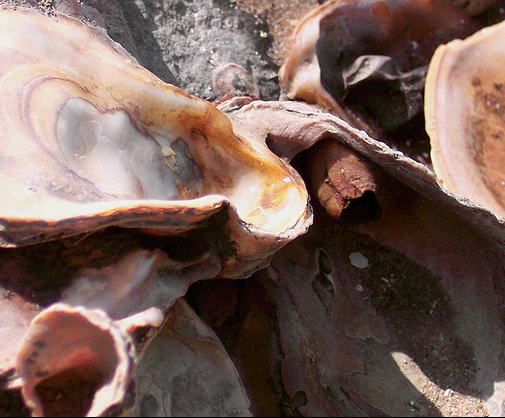
Bad news for oyster lovers. As the ocean acidifies, oyster larvae are struggling to build their shells, reducing the number that reach adulthood. Image: Rebecca Morgan
Read More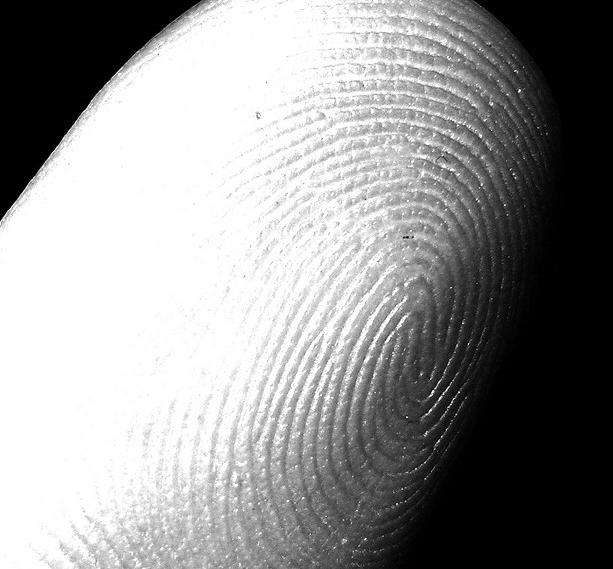
Shave off the very tip of your finger or toe and it should grow back. Now we know how. Mayumi Ito at New York University and her colleagues have identified a previously unknown population of stem cells at the base of each mammalian toenail. Image: Stefano Mortellaro
Read More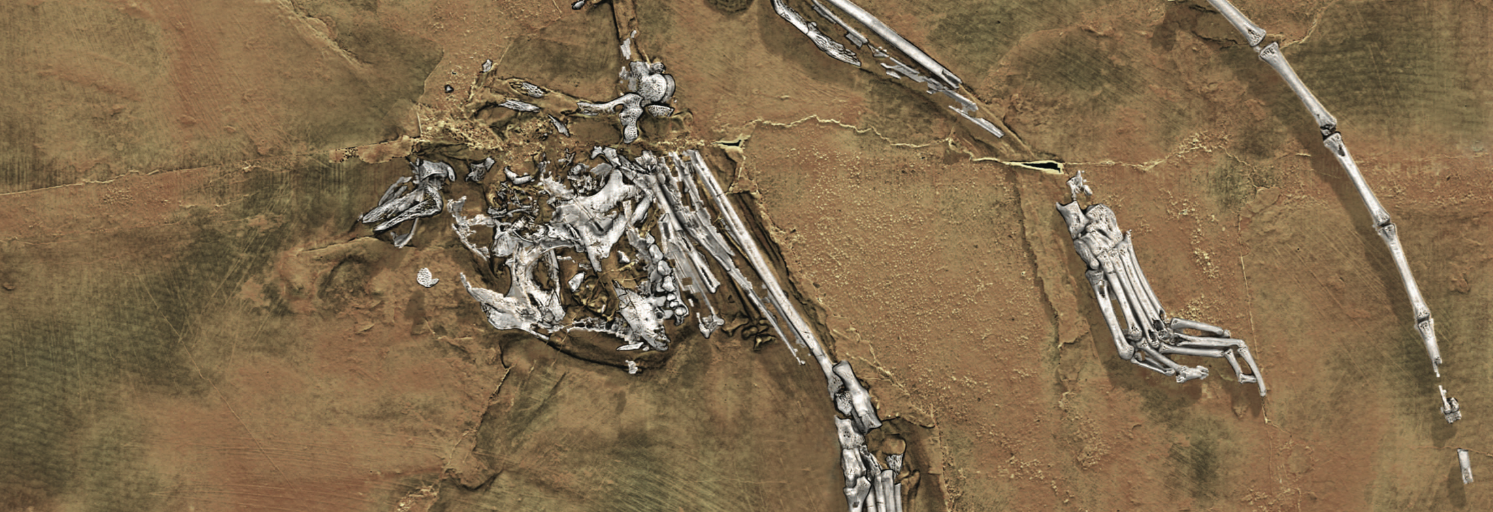
Our distant ancestors evolved not in Africa but Asia, in a hothouse world newly free of dinosaurs. A fossil unveiled this week might give us an idea of what this crucial ancestor looked like. It is the earliest primate skeleton ever found. Image: Paul Tafforeau and Xijun Ni
Read More
In Earth’s youth, photosynthetic life forms thrived for a billion years without producing so much as a whiff of oxygen. Why did some cells then start pumping out the gas that paved the way for animal life, and why did it take so long for this form of the reaction to evolve? Image: …-Wink-…
Read More
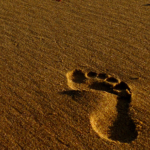
Textbooks will tell you that the human foot is rigid, which allows more efficient walking. Other apes, in contrast, have flexible feet better suited to grasping branches as they move through the trees. But the textbooks are wrong, say Jeremy DeSilva and Simone Gill at Boston University. Image: Ken Wilcox
Read More