Author: Colin

Volcano-eating beavers evolved thicker teeth

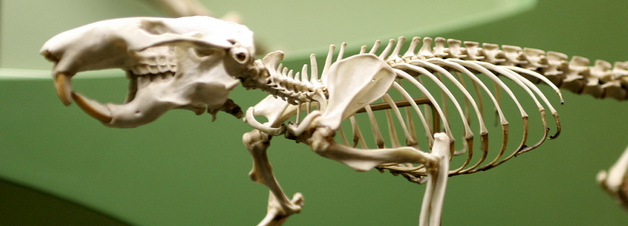
The volcanic activity that shaped Yellowstone national park may have sculpted something on a much smaller scale too – the teeth of some rodents. Mountain beavers have teeth with deep crowns, thick enamel and short roots – a condition called hypsodonty, typical of animals that chew gritty, silica-rich grasses. Yet they are partial to soft plants, so why the tough teeth? Image: cliff1066™

Read More

Evolutionary clues from ancestors’ brains?

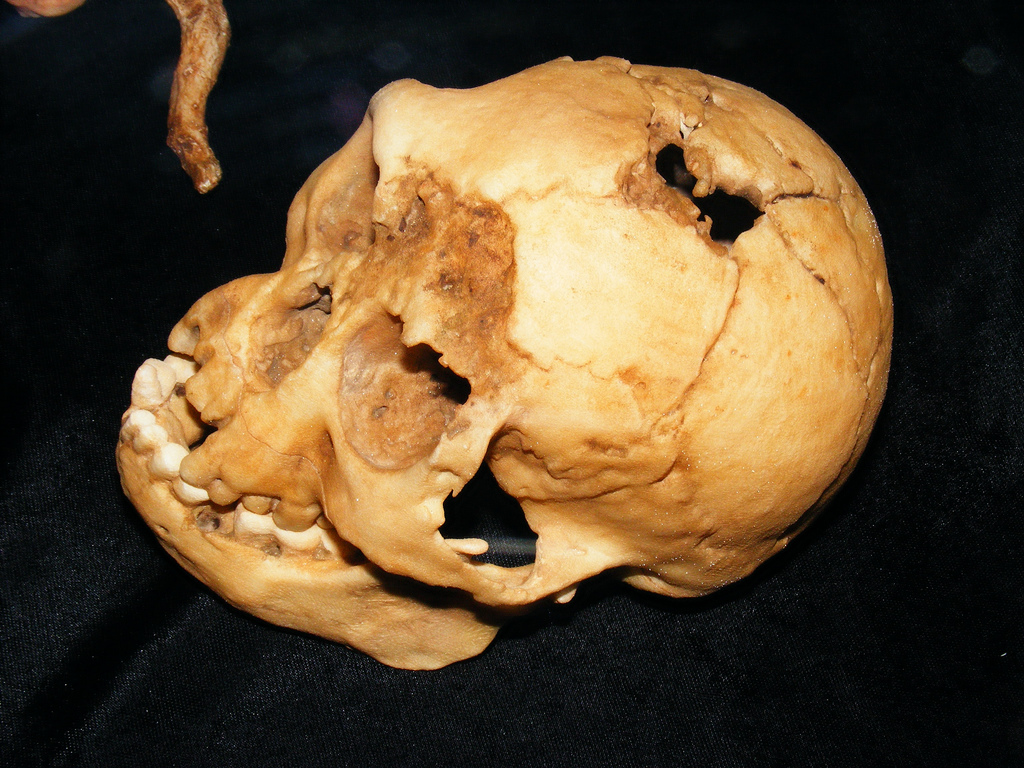
Sometime in the distant past our ancestors’ brains grew sophisticated enough to ponder life’s big questions. In this book, Dean Falk explains how the study of those ancient brains – or at least, the impressions they left in the skulls they occupied – may help to provide an answer to one of the biggest questions: where did we come from? Image: Mamoritai

Read More

The species that evaded extinction

It is five years since Richard Fortey retired from his post as senior palaeontologist at London’s Natural History Museum. Yet that has hardly curbed his academic output or the enthusiasm that drove him to study fossils for more than half a century. If anything, he is rapidly cementing his position as one of his field’s great survivors. Image: U. S. Fish and Wildlife Service – Northeast Region

Read More

Stone Age toe could redraw human family tree

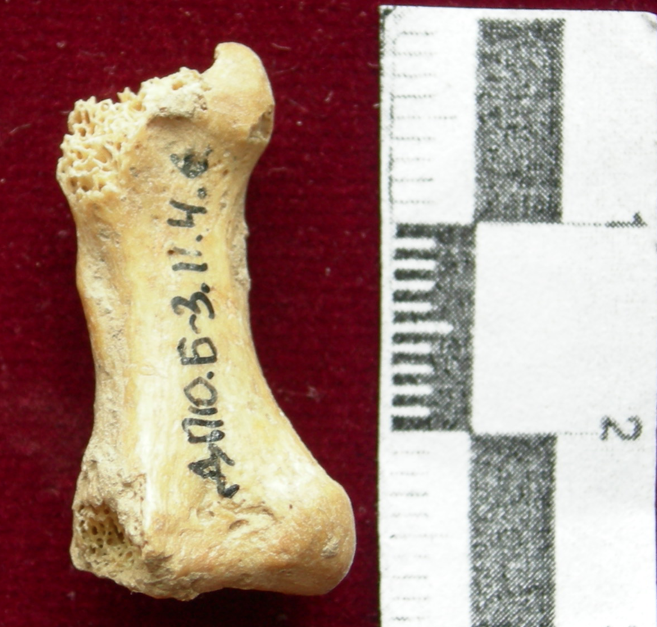
On the western fringes of Siberia, the Stone Age Denisova cave has surrendered precious treasure: a toe bone that could shed light on early humans’ promiscuous relations with their hominin cousins. The bone is now in the care of the researcher who revealed the first genetic evidence of interbreeding between ancient humans and other hominins. Image: Maria Mednikova

Read More

Archives